Hackney Council rules for roadside floral tributes and permits
Posted on 05/10/2026
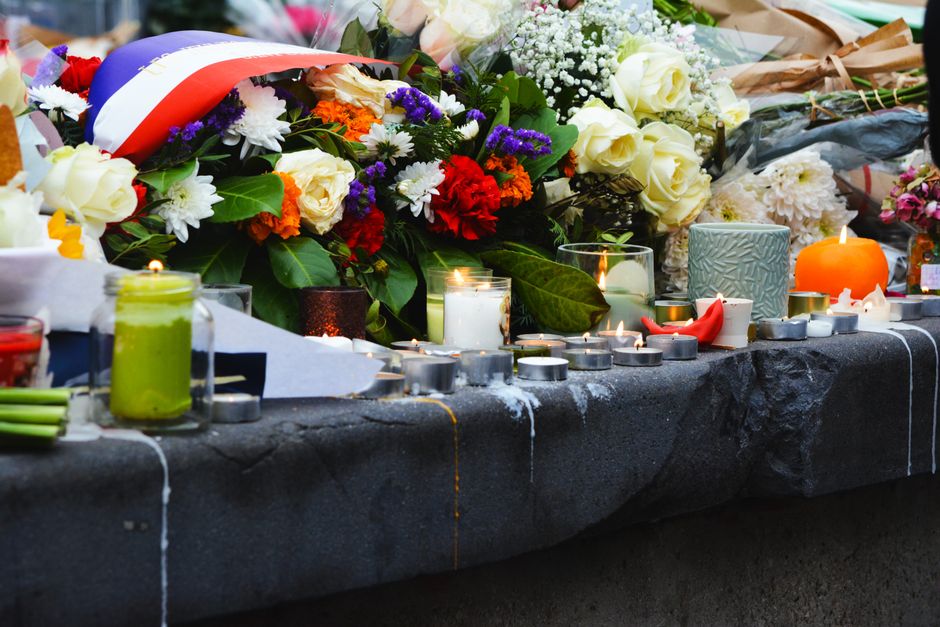
If you have ever stood beside a roadside tribute and wondered what is allowed, you are not alone. In Hackney, floral tributes placed near the road can be a heartfelt way to remember someone, but they can also raise practical questions about safety, permissions, and how long they should stay in place. The rules around Hackney Council rules for roadside floral tributes and permits are usually about more than flowers themselves; they touch on public space, highways safety, maintenance, and respect for everyone using the pavement or verge.
That can feel a bit awkward when the tribute is personal and emotional. Truth be told, grief does not wait for paperwork. But if you want to avoid a tribute being moved, removed, or challenged, it helps to understand how council and highway expectations usually work, what a permit may cover, and when you may need to ask for approval before placing anything near the road.
This guide breaks the topic down in plain English, with practical steps, common mistakes, and a checklist you can actually use. It also points you toward useful related pages on our site, including funeral flowers, sympathy flowers, and tributes if you are planning something more formal or time-sensitive.

Table of Contents
- Why Hackney Council rules for roadside floral tributes and permits matters
- How Hackney Council rules for roadside floral tributes and permits works
- Key benefits and practical advantages
- Who this is for and when it makes sense
- Step-by-step guidance
- Expert tips for better results
- Common mistakes to avoid
- Tools, resources and recommendations
- Law, compliance, standards, or best practice
- Options, methods, or comparison table
- Case study or real-world example
- Practical checklist
- Conclusion
- Frequently asked questions
Why Hackney Council rules for roadside floral tributes and permits Matters
Roadside floral tributes are usually placed with love, not as a nuisance. But once they are positioned beside a street, they enter a shared public environment. That matters because the roadside is not a private memorial garden. It is part of the highway network, footway, verge, or another space that needs to remain safe and accessible.
In practical terms, the council's concerns are straightforward: can pedestrians pass safely, can road users see properly, can crews maintain the area, and does the tribute create any hazard in weather, traffic, or busy periods? A bunch of flowers tucked neatly against a wall is one thing. A large arrangement near a narrow pavement, a junction, or a cycle lane is another. Let's face it, a gusty London morning can turn a thoughtful tribute into a hazard quicker than people expect.
It also matters because families often want the tribute to remain in place for a meaningful period. Without clarity, emotions run high when flowers are removed too soon or left too long. A sensible understanding of the rules helps you balance respect, safety, and practical reality. That balance is usually the whole game here.
There is also a community side to it. Hackney is busy, layered, and lived-in. Streets here can feel intimate one minute and fast-moving the next. A considerate approach to roadside memorials helps protect the tribute, the family's wishes, and the people who have to walk, cycle, or drive past every day.
How Hackney Council rules for roadside floral tributes and permits Works
Although the exact process can vary depending on the location and the nature of the tribute, the basic idea is usually simple: if a floral tribute is being placed in or close to the public highway, it may need permission, or at least it may need to meet council expectations for safety and access. The more it affects the space, the more likely formal approval becomes relevant.
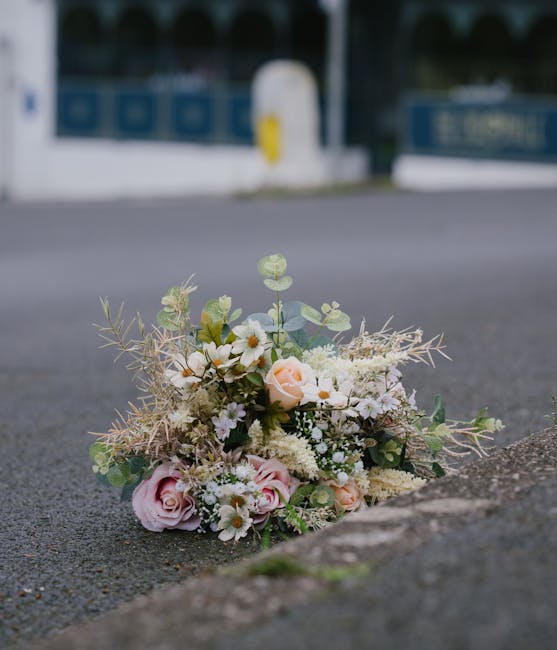
Usually, small tributes placed briefly and carefully in an unobstructed spot may be treated differently from larger displays, memorial crosses, wreaths, frames, candles, balloons, or anything that could fall, spill, or block footfall. Roadsides near traffic islands, lamp columns, bus stops, crossings, and narrow pavements are naturally more sensitive. A floral arrangement that seems harmless in a quiet residential lane can be a problem on a busier road by the next morning.
Where a permit is involved, it is generally about giving the council or highway authority a chance to assess the location, duration, scale, and any risks. A permit may set conditions. For example, it may require the tribute to stay within a certain area, avoid obstruction, or be removed after a defined period. It may also be refused if the location is unsafe or if there are maintenance issues. That is not the council being difficult; it is usually basic public safety.
In our experience, families often ask the wrong first question. They ask, "Can I put flowers there?" when the better question is, "What is the safest and most respectful way to do this here?" That shift changes everything. It helps you choose the right form of tribute, the right placement, and the right level of formality.
If you are arranging flowers for a remembrance or sympathy tribute, a well-chosen arrangement from a specialist range can be easier to handle than something oversized or awkward. For example, a spray tribute, a wreath, or a more contained basket or posy may be less problematic than a display with loose components. Not always, but often.
Key Benefits and Practical Advantages
Following the relevant rules is not just about avoiding hassle. There are real benefits to taking a careful approach from the start.
- Reduced risk of removal: If a tribute is placed with awareness of council expectations, it is less likely to be taken away because it is obstructing access or breaching local conditions.
- Better safety: Good placement reduces the chance of flowers blowing into the carriageway, blocking sightlines, or creating a slip issue after rain.
- Less family stress: The last thing anyone needs in a sensitive moment is a dispute over where flowers can stay.
- Clearer decision-making: A permit or approval process gives you something concrete to work with rather than guesswork.
- More dignified presentation: A tribute that fits the location tends to look more intentional and respectful.
There is also a quieter benefit: it helps people grieve without second-guessing themselves every hour. You can focus on remembrance rather than worrying that a passer-by will move the display or that maintenance teams will have no context. That peace of mind counts for a lot.
Another practical advantage is consistency. If several family members are involved, or if a church, funeral director, or local florist is helping, having a clear plan avoids crossed wires. A little structure goes a long way when emotions are running high.
Who This Is For and When It Makes Sense
This topic matters to a wide range of people, not just those arranging a full funeral. You may need to understand roadside floral tributes and permits if you are:
- arranging flowers after a sudden death or accident;
- supporting a family that wants a roadside memorial at a meaningful place;
- working with a funeral director or celebrant who is coordinating tributes;
- ordering flowers for a memorial point near a road, pavement, or public space;
- part of a community group preparing a shared tribute;
- trying to check whether a memorial can remain where it was first placed.
It also makes sense for people who want to avoid overdoing it. Not every tribute needs to be grand. Sometimes a smaller, well-placed wreath or sympathy bouquet says more than a huge display that becomes difficult to manage. If you are weighing that up, you may also find our sympathy flowers and flower care guidance useful for choosing arrangements that hold up well outdoors.
And yes, sometimes the person asking is the one doing the practical legwork while everyone else is still processing the news. If that is you, take a breath. You do not need to solve everything in one go.
Step-by-Step Guidance
Here is a sensible way to approach roadside floral tributes in Hackney without making the process harder than it needs to be.
- Confirm the location. Is the tribute going on the pavement edge, verge, kerbside, fence line, near a lamppost, or another public spot? The precise position changes the risk and likely approval requirements.
- Check whether anything will be obstructed. Ask yourself whether pedestrians, wheelchairs, prams, cyclists, or maintenance crews could be affected. If the answer is yes, caution is needed.
- Choose the right type of tribute. Smaller, stable arrangements are generally easier to manage than loose, tall, or top-heavy displays. Consider a wreath, posy, or tribute arrangement that sits neatly.
- Decide how long it should stay. Temporary tributes are usually easier to manage than open-ended memorials. If you expect it to remain for more than a short period, ask about permission or conditions.
- Contact the right authority if needed. If the tribute is definitely on or next to public highway land, seek clarification before placing it. A quick enquiry can save upset later.
- Keep the tribute tidy. Avoid glass, loose ribbon ends, heavy objects, or anything that could be swept into the road.
- Review and maintain it. Check after rain or wind. Flowers shift. Cards curl. Tape gives up. London weather is not sentimental.
- Plan removal or renewal. If the tribute is temporary, agree who will collect it and when. If it is to continue, make sure it still complies.
A useful rule of thumb: if you would be nervous leaving it unattended on a busy day, it probably needs a more careful placement or a permit conversation. That instinct is usually right.
Expert Tips for Better Results
Small choices make a surprisingly big difference here.
Keep the design compact. A low, balanced arrangement is usually safer and less likely to be disturbed by pedestrians or wind. Tall stems and floating ribbons can be charming in a hall or home, less so beside a road.
Use stable packaging. A tribute that arrives already secure is easier to place respectfully. Water-resistant wrapping, sturdy bases, and tidy binding all help. If you are ordering in advance, ask for something designed to hold shape outdoors for at least a short time.
Choose flowers that travel well. If you need delivery before placement, ask for robust blooms and sensible conditioning. Some flowers look wonderful but wilt quickly in a cold breeze, especially if the arrangement is handled more than once.
Keep wording clear. A card, ribbon, or message should be simple and legible. In a roadside setting, less is often more. A few meaningful words can feel more respectful than a crowded display of messages.
Think about timing. Early morning placement may be calmer and safer than doing it at a busy commuting hour. You will notice the difference straight away on a Hackney street at rush hour.
Be discreet if the location is sensitive. If the tribute is near a residential frontage or a narrow pavement, avoid blocking doors, access points, or neighbours' sightlines. Tiny details, yes, but they matter.
And a slightly practical aside: if a tribute is going to be photographed, people often place it from the wrong angle. A small adjustment can make it look both more beautiful and less intrusive. Handy, really.
Common Mistakes to Avoid
Most problems with roadside floral tributes come from good intentions and poor placement. That sounds harsh, but it is usually true.
- Assuming all roadside spots are the same. A quiet residential kerb is not the same as a junction, bus stop, or narrow pavement.
- Using oversized arrangements without checking. Large memorial pieces can be lovely, but they are more likely to need approval or be considered unsuitable.
- Forgetting about weather. Rain, wind, and traffic spray can quickly damage cards, ribbons, and loose flowers.
- Leaving candles, glass, or fragile items. These can create obvious safety issues.
- Expecting indefinite placement. Even heartfelt tributes usually need review, renewal, or removal at some stage.
- Not telling other family members what was arranged. This can lead to confusion if someone else moves the tribute or contacts the council separately.
One of the most common headaches is when a tribute is placed first and discussed later. That sequence tends to cause avoidable friction. If there is time to pause for a quick check, do it. Honestly, it saves grief on top of grief, and nobody needs that.
Tools, Resources and Recommendations
You do not need a box full of specialist kit, but a few practical items help keep things calm and organised.
- Phone notes or a checklist: Helpful for recording the exact place, time, and who approved what.
- Measuring tape or quick visual references: Useful if you need to estimate how much space the tribute will take up.
- Water tubes or florist wrapping: Handy when flowers will sit out for a while before removal or relocation.
- Weather-resistant cards or labels: Better than thin paper if the tribute is outdoors for more than a short period.
- Transport box or support tray: Helps avoid crushed stems and keeps the arrangement stable on arrival.
From a flower-selection point of view, a well-made tribute from a specialist range can simplify things. Consider tribute flowers, funeral flowers, or a contained option like a serenity spray if you want something respectful and straightforward. If delivery timing matters, the site's delivery information can help you plan the logistics more calmly.
For those wanting something a little more personal, there are also dedicated memorial designs such as an in loving memory wreath or a loving memory wreath. Those formats often suit tributes better than mixed, loose arrangements because they hold together nicely.
Law, Compliance, Standards, or Best Practice
This is the part people often want translated into plain English. The safest way to think about it is this: if the tribute sits in a public highway area, you should assume there may be local rules, safety expectations, and maintenance considerations that matter just as much as the flowers themselves.
In the UK, highway authorities and councils generally have a duty to keep public spaces usable and reasonably safe. That means anything placed on or near the highway can be assessed for obstruction, trip risk, visibility, and interference with access. A roadside tribute may be tolerated, conditioned, or moved depending on the exact circumstances. There is not always a one-size-fits-all answer, which is why people sometimes get frustrated. Fair enough, but the layout of the street really does change the outcome.
Best practice usually includes the following:
- keep tributes clear of the carriageway;
- avoid blocking pavements, crossings, dropped kerbs, or access points;
- do not use items that create hazards in wet or windy weather;
- check whether a formal permission or permit is needed before placing a larger or longer-lasting display;
- agree a removal date where possible;
- respond quickly if the council asks for adjustment or removal.
Where permits are concerned, the exact conditions may vary. The important point is not to assume that because a tribute is emotional it is automatically exempt from public-space rules. Councils tend to be sympathetic, but they still need to protect the wider public interest.
If you are coordinating with a florist, ask them to keep the design practical and transportable. A sympathetic florist can often help you choose arrangements that look beautiful and are easier to place responsibly. That is one of those small decisions that saves a lot of fuss later.
Options, Methods, or Comparison Table
When people think about roadside floral tributes, they often picture one thing. In reality, there are a few approaches, and each has trade-offs.
| Option | Best for | Practical pros | Possible drawbacks |
|---|---|---|---|
| Small bouquet or posy | Short-term remembrance | Easy to place, tidy, less likely to obstruct | May not feel substantial enough for a larger memorial |
| Wreath or spray | Formal tribute | Looks dignified, stable, familiar for funerals | Needs sensible sizing and secure placement |
| Named or personalised tribute | Highly personal remembrance | Meaningful and memorable | Can be larger, more complex, and may need checking |
| Shared community display | Public remembrance with multiple contributors | Inclusive, visible, supportive | More likely to need agreement, maintenance, or permission |
For many families, the safest middle ground is a formal tribute that stays compact and easy to manage. Something from the sprays collection or the wreaths collection often works better than a loose, improvised roadside bundle. Not always, but often enough to matter.
Case Study or Real-World Example
Here is a realistic example, based on a common kind of request.
A family in Hackney wanted to place flowers near a road where a loved one had a strong personal connection. The instinct was to bring a large arrangement, some handwritten cards, and a few keepsakes. Lovely idea, but the spot was close to a narrow pavement and a crossing. On a weekday afternoon, that could have caused trouble fast.
Instead, they paused and thought it through. They chose a more compact tribute, kept it low and stable, and placed it away from the pavement edge. They also agreed that if they wanted it to remain beyond the first few days, they would check whether further approval was needed. The result was calmer all round. The tribute still felt deeply personal, but it did not create a hazard or invite complaints.
The lesson is pretty simple: a tribute does not need to be oversized to be meaningful. Often, the most respectful option is the one that fits the place as well as the feeling. That balance can be hard in the moment. But it is possible.
Practical Checklist
Before placing roadside flowers in Hackney, run through this quick checklist.
- Have I confirmed the exact location?
- Is the tribute on or near public highway land?
- Could it obstruct pedestrians, mobility users, cyclists, or maintenance access?
- Is the arrangement compact, stable, and weather-aware?
- Do I know whether approval or a permit may be needed?
- Have I avoided glass, candles, or anything fragile?
- Is the tribute likely to stay for more than a short period?
- Have I agreed who will monitor or collect it?
- Have I chosen flowers that travel and hold up well?
- Do all family members or organisers understand the plan?
If you can answer yes to most of those, you are in a much better place. Not perfect, maybe, but solid. And solid is what you want here.
Get a free quote today and see how much you can save.
Conclusion
Hackney Council rules for roadside floral tributes and permits are really about balance: grief and safety, remembrance and access, public space and personal meaning. Once you understand that, the whole topic becomes much easier to handle. You are not just placing flowers; you are making a small, important decision about how memory sits in a busy shared environment.
The best approach is usually simple and respectful. Keep the tribute compact, choose a sensible location, check whether approval is needed, and plan for review or removal if required. If you are unsure, ask before placing the flowers rather than after. That one move can prevent a lot of distress.
And if you are in the middle of arranging something like this right now, be kind to yourself. These decisions are rarely tidy. Take it step by step, and let the tribute do its quiet work.
Frequently Asked Questions
Do I need permission to place roadside flowers in Hackney?
Sometimes yes, sometimes not immediately, depending on exactly where the flowers will sit and whether they affect the public highway, pavement, or verge. If the tribute could obstruct access or stay in place for a while, it is sensible to check first.
What counts as a roadside floral tribute?
It usually includes flowers, wreaths, sprays, posies, memorial cards, and sometimes crosses or personalised remembrance pieces placed near a road or public edge. The more items you add, the more likely safety and permission questions become relevant.
Can I leave flowers on a pavement in Hackney without a permit?
That depends on the location, size, duration, and whether the arrangement blocks movement or creates a hazard. A small, temporary display may be treated differently from a larger, longer-lasting memorial. If in doubt, treat it as permission-sensitive.
How long can roadside flowers stay in place?
There is no universal answer here. Some tributes are left for only a short period, while others remain longer with agreement or conditions. It is best to clarify the expected timeframe before placing the flowers.
What happens if the tribute is blocking the pavement?
If a tribute blocks access, it may be moved or removed. Councils have to keep public walkways usable. To avoid that, keep the tribute compact and away from narrow passage points, dropped kerbs, and crossings.
Are candles allowed with roadside floral tributes?
Candles are usually risky in roadside settings because of wind, fire concerns, and public safety. Even when they feel meaningful, they can create avoidable issues. Safer alternatives are usually better outdoors.
What type of flowers work best for a roadside memorial?
Compact, robust arrangements tend to work best. Wreaths, sprays, and posies are often easier to manage than loose bouquets with delicate stems. Flowers that hold up well in cooler outdoor conditions are usually a sensible choice.
Can a funeral florist help with the permit question?
A florist can often help with practical presentation, sizing, and transport, but they may not be the authority on council permissions. They can still be a very useful part of the process, especially when you want the tribute to be stable and respectful.
What if I want a tribute to stay there permanently?
A permanent or long-term roadside memorial is a very different matter from a temporary floral tribute. That usually needs much more careful consideration and likely formal approval. Do not assume a roadside spot can become permanent just because it feels right.
How can I make a tribute safer without making it look plain?
Choose a well-structured wreath, spray, or basket arrangement, keep it low, and use clear messaging rather than lots of loose extras. A neat tribute can still feel deeply personal. In fact, sometimes it feels more moving because it is so deliberate.
What should I do if the council asks me to remove the flowers?
Stay calm and ask for the reason if it is not already clear. It may be about safety, obstruction, or maintenance. If possible, relocate the tribute to a more suitable place, such as a private garden, graveside, or home display.
Is there a better alternative to roadside placement?
Yes, sometimes there is. A memorial tribute at a church, home, funeral venue, or private space may be easier to maintain and less likely to run into permission issues. If you want something formal and beautiful without the roadside complications, that can be the cleaner option.